
The first few weeks of my PhD program resembled a complex dance of enthusiasm and nerves. In my department, I found a community of scientists with different focuses, all passionate about research. But dealing with all the coursework was challenging, making me feel overwhelmed at times. My first semester of graduate school passed by so quickly. Despite the fact that this year was challenging for a variety of reasons, here are five lessons I learned:
- Learn to Accept the Unknown: The first lesson was quietly impactful: realize that it is okay not to have all the answers. No one knows it all; not your senior grad students, not your mentors, no one. It is perfectly okay to respond to a question with “I don’t know” rather than pretending to know the answer. What would be the point of going to graduate school if you knew everything? Embracing this idea will shield you from feeling like an imposter—a hurdle that should be conquered early on.
- Find Balance: I discovered that working excessively wasn’t necessary. Taking care of yourself is essential, not just a luxury. These moments of self-care often bring clarity and rejuvenation. You can’t say yes to every request. You may wish to, but you cannot. We often do not want to say no because we believe that opportunities will not come our way again. There will always be more possibilities; saying no to those that you are unable to fulfill is preferable to running yourself into the ground. First, you must look after yourself and your well-being.
- Navigating Advice: Amidst the busy academic world, it is imperative to discern advice and criticism. It is good to take them with caution, separating valuable insights from less helpful ones. It is very acceptable to be critical of your field’s research, including important works. Nothing published is perfect. If you find yourself reading an article and not necessarily buying what the author(s) are attempting to promote, that is perfectly acceptable! Part of our responsibility as academics is to assess the material and determine where more work might be done. You will not agree with everything you read, and you are not required to.
- Community is everything: In graduate school, the power of connections reverberates as a cornerstone of success. These relationships build an intricate network of support, cooperation, and shared knowledge that goes beyond academic prowess. I could not have completed the first year of my PhD without the support of my cohort, supervisors, and other graduate students in my program. Grad school is exhausting on all levels: physically, psychologically, and emotionally. Even if you are the most self-sufficient person on the planet, you require someone in your life to whom you can confide and lean. Your “village” or community does not have to be limited to those in your program; it can also include family members, friends from other programs, friends who are not in academia, mentors, and so on.
- Campus Resources: Your campus is always a goldmine of opportunities. Find them early and utilize them to your advantage. Get engaged in a few other things on campus, such as volunteering, mentoring, and leadership positions. Starting early would help build a great CV.
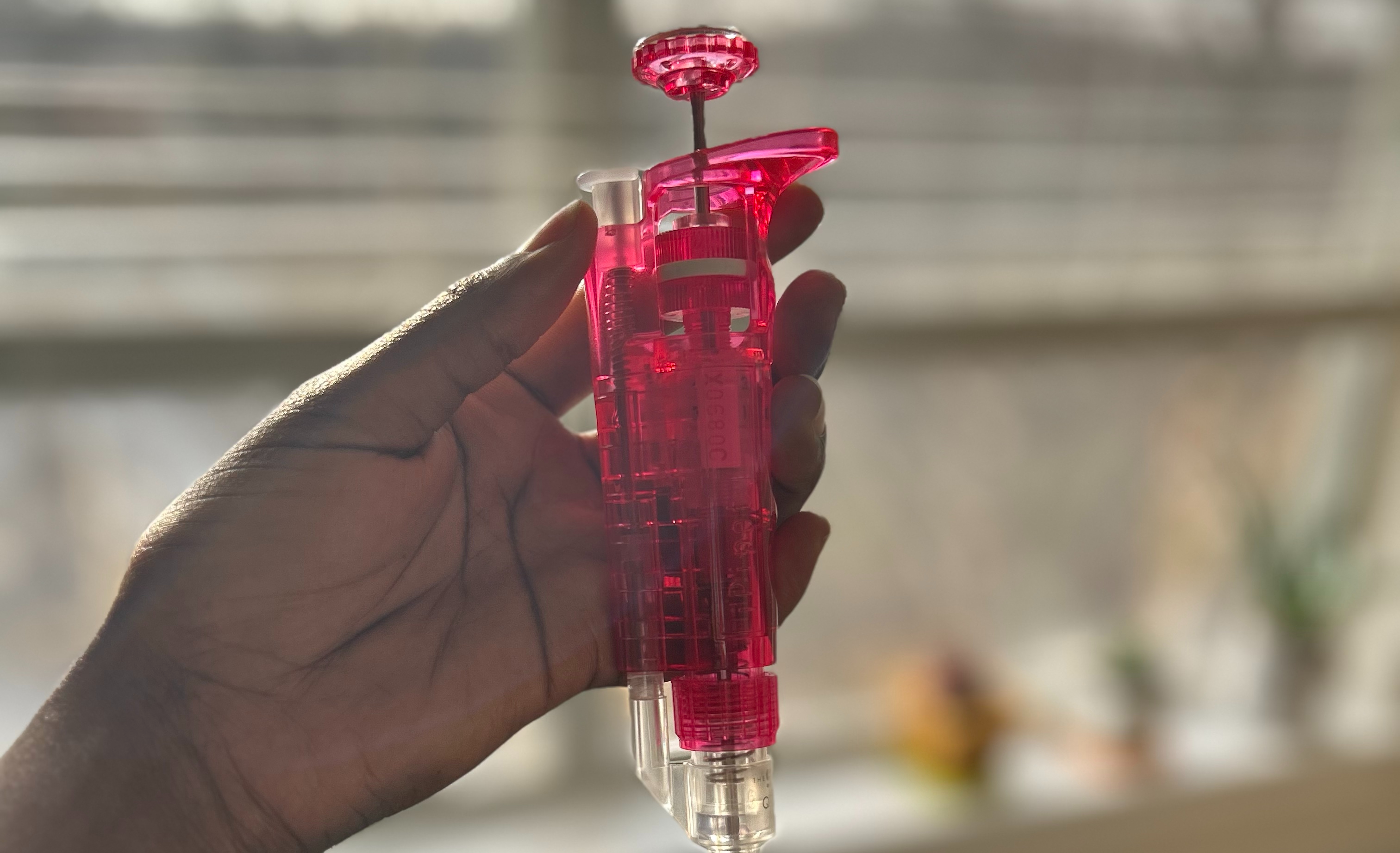
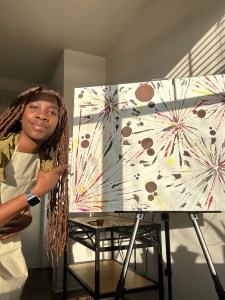
I couldn’t end this blog post without showcasing my really cool pipette and the newest painting I made!
If you are reading this post, that means you were probably accepted into a graduate program, intending to apply to one, or just curious about my PhD journey! Graduate school can be very overwhelming, so take it one day at a time and be kind to yourself 🙂


Leave a Reply