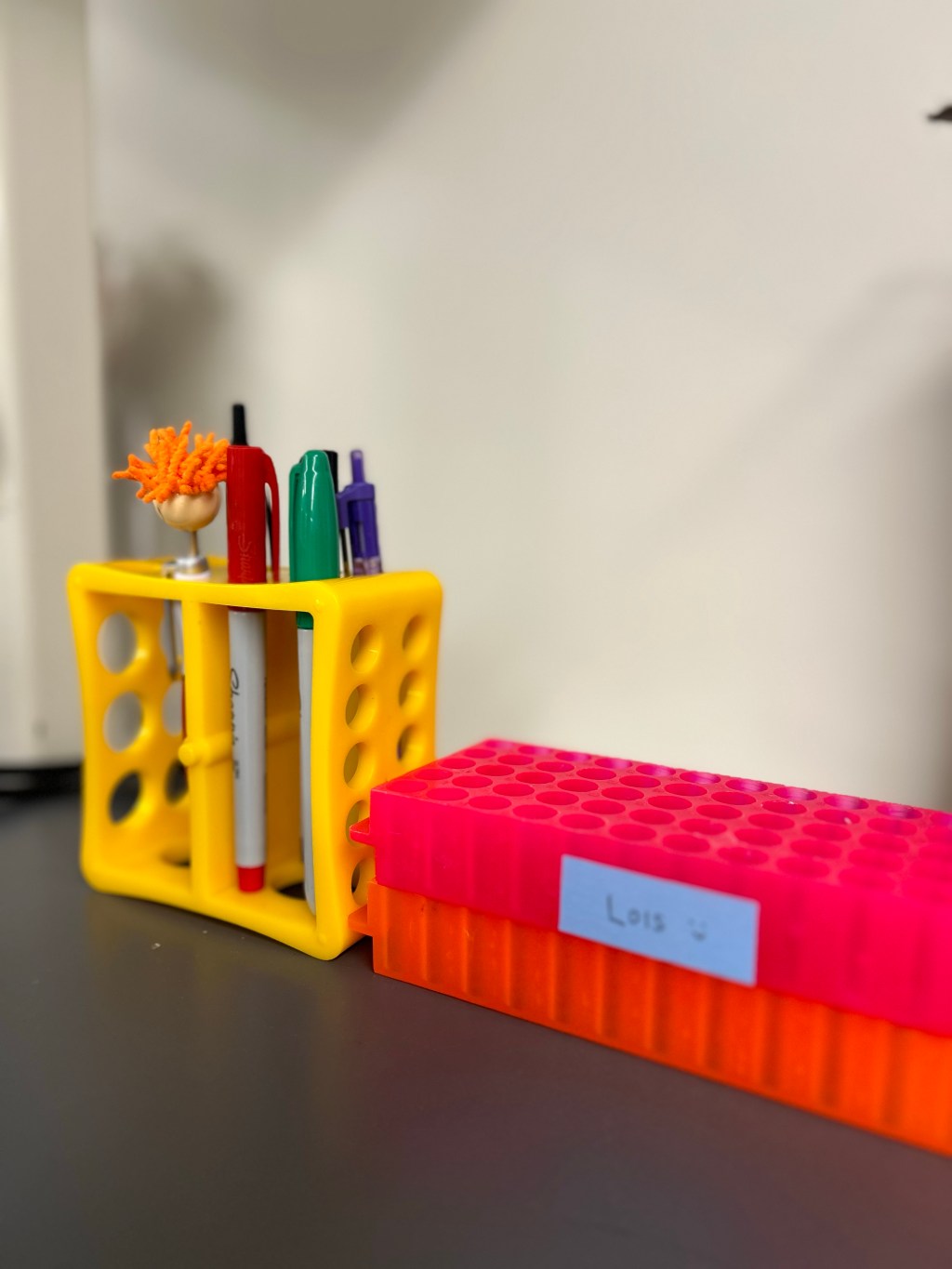
It’s official—after careful consideration, numerous discussions, and a fair amount of soul-searching, I’ve made one of the most important decisions in my PhD. I’ve chosen my dissertation lab. It feels a lot like embarking on a new journey, full with both excitement and cautious expectation.
While I would like to belabor this post with all the exciting things that lead me to this point, I will highlight the three main factors I considered when deciding what lab I wanted to join. For context, I had three 8-week long rotations before deciding what lab to join and these labs had funding to recruit new graduate students.
1. Mentorship style
Some graduate students find that they relish speaking to their advisor practically every day while others prefer to provide weekly progress reports. This is a matter of preference, but you should ensure that your mentor’s style matches yours. Directly or indirectly, the lab’s daily operations are influenced by the PI’s management style. You would work together with this person for the duration of your PhD and beyond. So, choosing someone with whom you get along is important. Project allocations may render a lab more welcoming or competitive. It is important to determine which setting best suits your work style.
2. Research
What is the science, and does the work interest you? You will be working on this project(s) for a good number of years. If it doesn’t pique your interest, you’re unlikely to be motivated for long. If you don’t care about the outcome of an experiment, it’s difficult to devote the necessary time and energy. As a result, the lab’s research and initiatives should align with your personal interests. Furthermore, your rotation project does not have to be the same as your dissertation. You should speak to the PI to see if other projects will be accessible if you join the lab.
3. Long-term goal
Some students go to graduate school with the long-term goal of becoming professors, while others seek training that will allow them to apply their expertise in other fields. It’s tough to predict what you’re going to pursue when you first start graduate school, and a lot of individuals who believed they’d choose one path eventually change their minds. Whatever the case, selecting a thesis lab will influence the direction that you choose, presenting both opportunities and limits.
Other considerations
My pro and con list had a lot of other questions. Space, lab politics, lab organization, how much instruction do I require? How much pressure/contact do I need? What do I expect from graduate school? Does the PI support collaboration with other labs? Within the laboratory? Are there cliques in the lab? Is there a competitive spirit in the laboratory? Is that healthy or unhealthy?
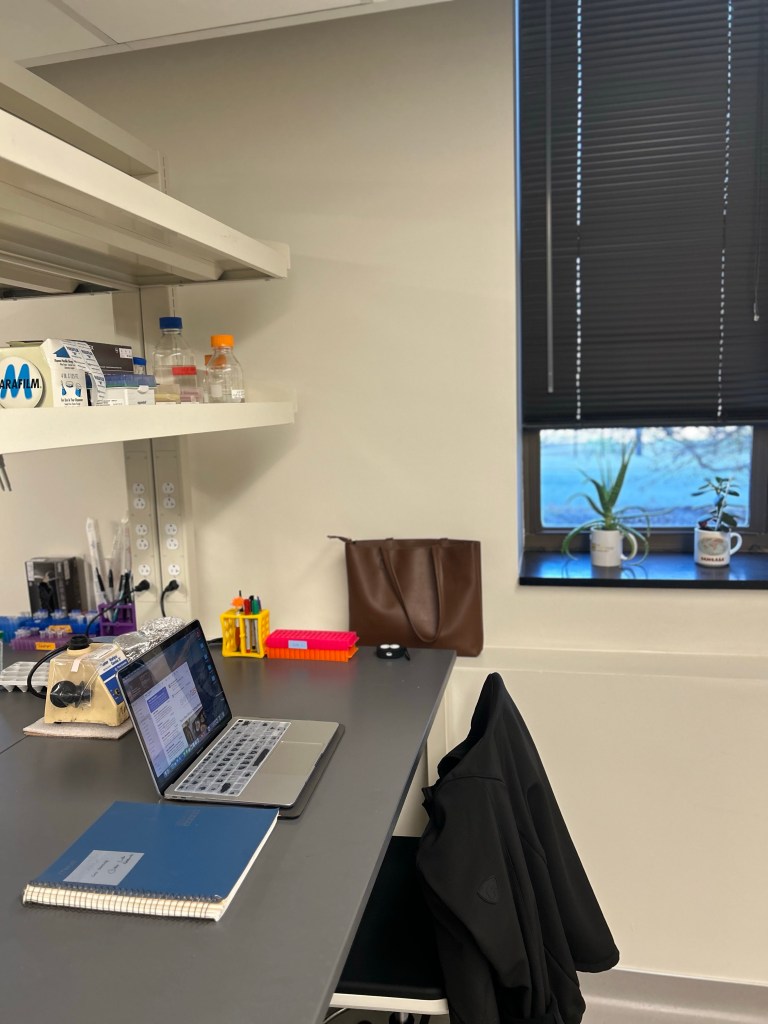
Evidently, choosing an ideal lab that meets your needs is more than simply an ability issue; there are numerous factors to consider. You can never truly know a lab until you work in it, and rotations are the ideal way to do so! The pressure of the academic research environment can make it hard to evaluate carefully. I found that seeking additional advice from mentors is beneficial.




Leave a Reply