At the most basic level, what makes each of us unique is our DNA. Think of DNA as the instruction manual for building and running your body. A complete set of these instructions is called your genome. Unless you have an identical twin, your genome is entirely your own! And the fascinating part is that every single cell in your body carries a full copy of it.
While DNA holds the instructions, the real action happens thanks to proteins. Proteins are the working machines in our cells, and just like any machine they wear out. But a worn-out protein doesn’t sit there quietly. It’s sticky. It clumps. And clumps of damaged protein are exactly what we find in the brains of people with ALS and Alzheimer’s.
This is why our cells run a disposal system. This is a highly effective system that ensures that damaged proteins can be recycled and the amino-acids can be re-used to make new protein.
Among these disposal unit is a special group known as chaperones. They help guide proteins into their correct shapes so they can function properly. And their role doesn’t stop there; chaperones are also part of the our cell’s cleanup crew. Just like a city needs garbage trucks to stay clean, our cells have sophisticated systems to deal with faulty or misfolded proteins. When this system fails, toxic protein clumps can build up, which can lead to serious diseases like Alzheimer’s or cancer.
My research focuses on two key proteins involved in this cellular disposal system:
- p97 – Because most damaged proteins are clumpy and aggregated, p97 grabs the protein and pulls it apart. Imagine working a knot out of a tangled cord, over and over, until you’re holding one straight strand. This helps unfold them so they can be fed into the cell’s shredder (proteasome).
- A chaperone protein (name withheld) – This chaperone interacts with p97, possibly guiding which proteins get picked up for disposal.
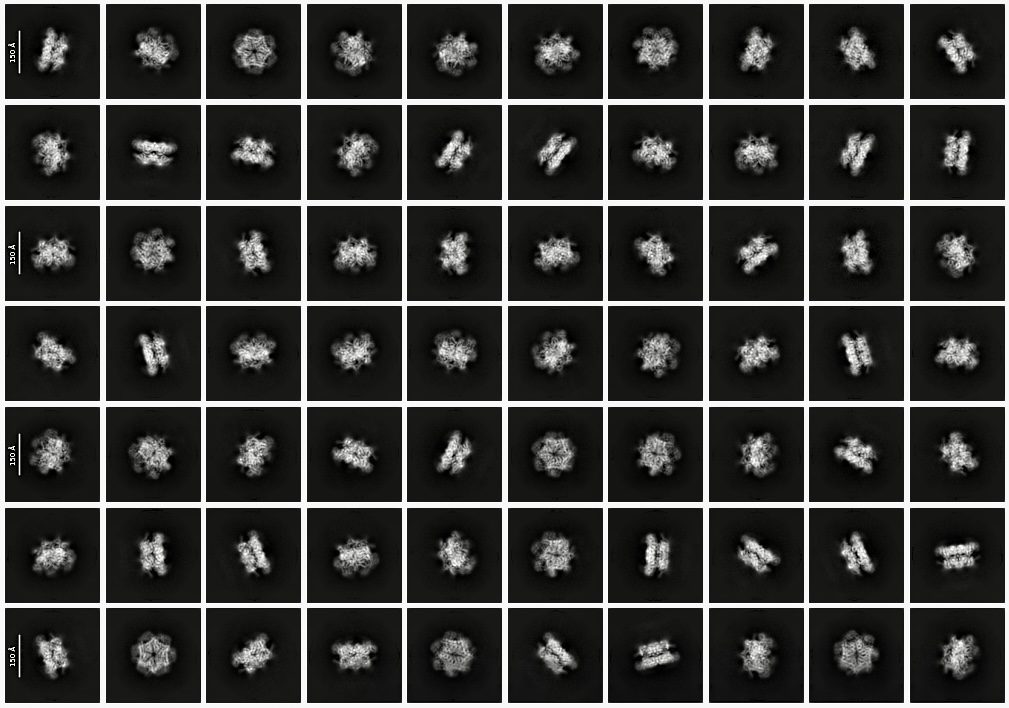
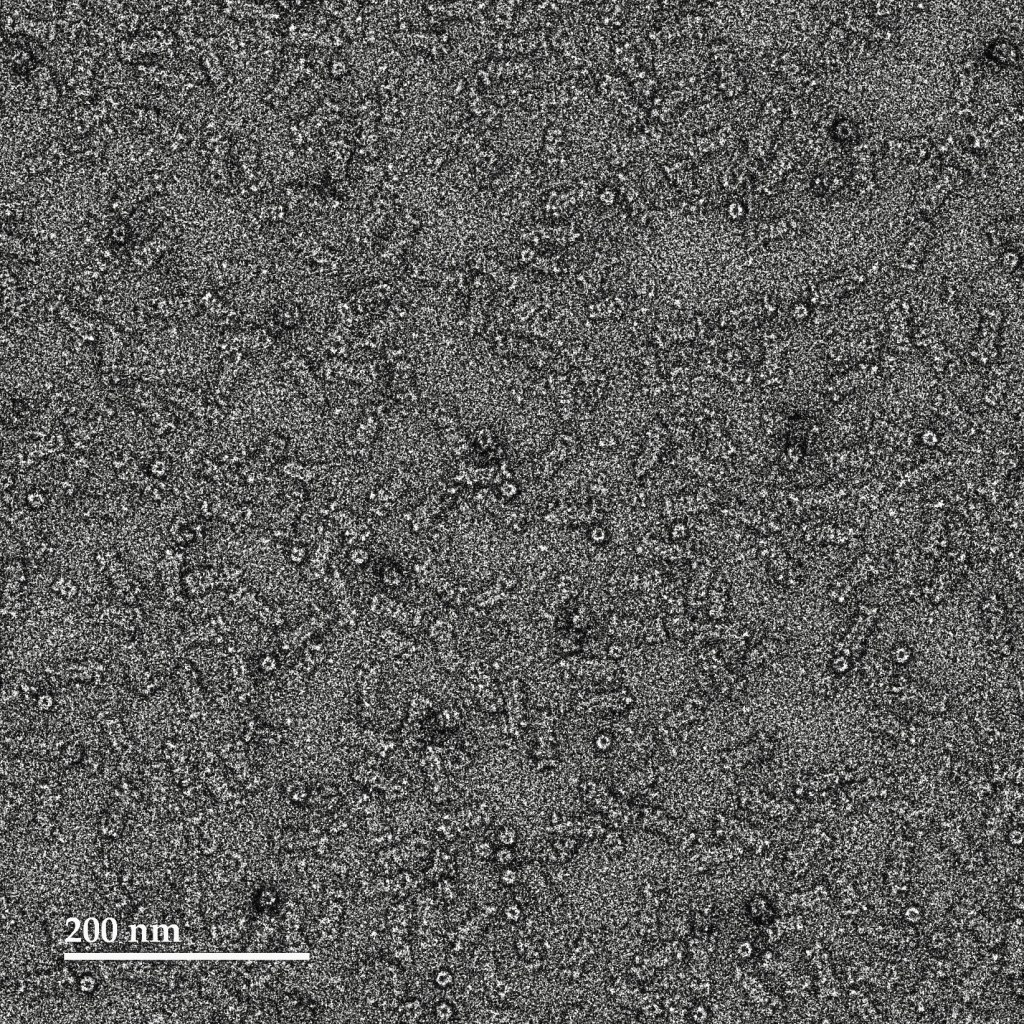
By understanding how these two proteins work together, I hope to uncover new ways our body clears damaged proteins. This could help scientists and clinicians treat diseases where the cell’s cleanup system breaks down. To study these proteins, I use some incredibly advanced (and very cool!) equipment that allows me to actually see them. Proteins, just like people or plants, can be visualized! They’re just incredibly small, so we need powerful tools to observe them in action.
I am excited about the potential of my work and the discoveries yet to be made.



Leave a Reply